
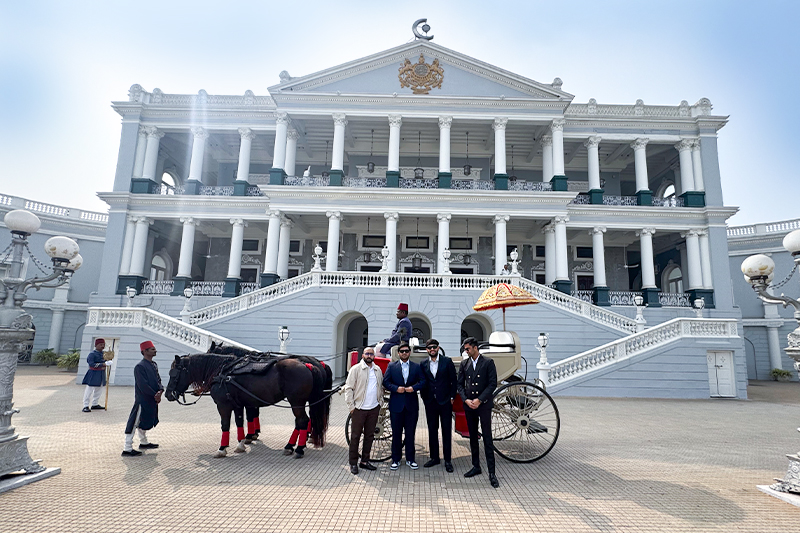
Some places feel like they’ve slowed down time. Taj Falaknuma Palace is one of them.
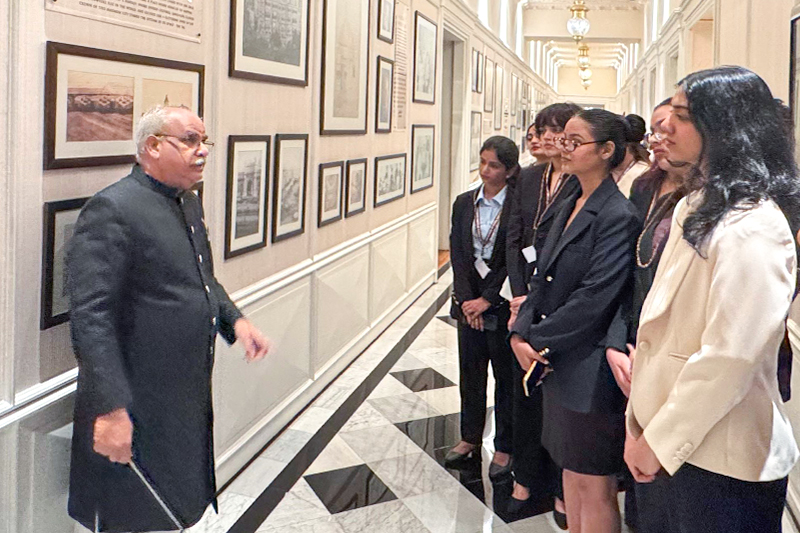
A former royal residence built in 1894; it sits 609 feet above Hyderabad and was once home to the Nizams. The palace still carries that history in its structure, long corridors, large halls, and architecture that blends European and Indian styles.
Some places feel like they’ve slowed down time. Taj Falaknuma Palace is one of them.
A former royal residence built in 1894; it sits 609 feet above Hyderabad and was once home to the Nizams. The palace still carries that history in its structure, long corridors, large halls, and architecture that blends European and Indian styles.
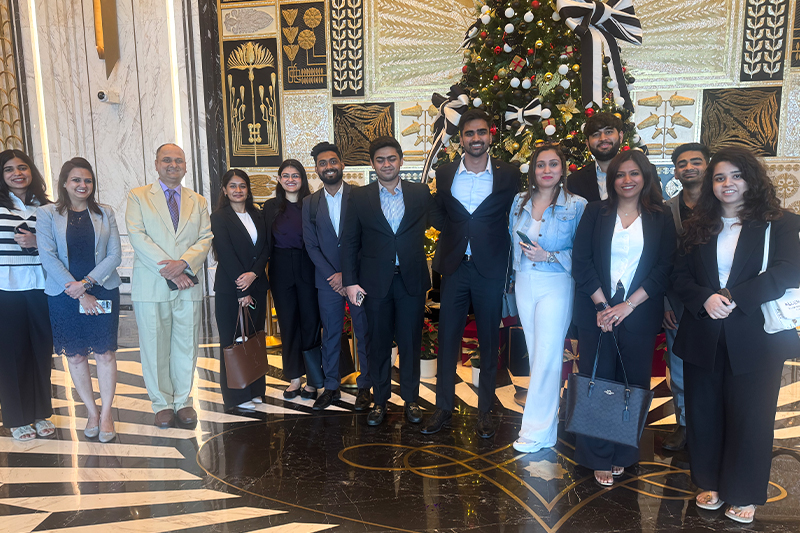
For the HBL cohort at SP Jain Global, the visit was a chance to see how a place like this works today, not just as history, but as a functioning hospitality space.
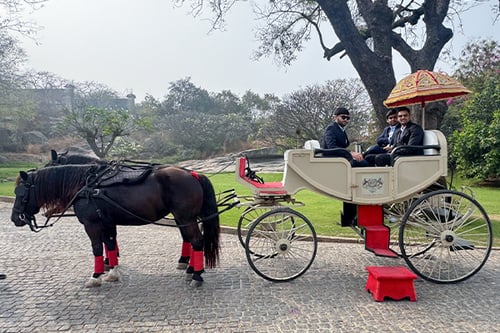
The group reached the palace in a horse drawn carriage and was welcomed at the entrance in a traditional way. Inside, students walked through different parts of the palace like the main halls, the 101-seat dining room, the jade collection, and a few of the restored royal spaces. What stood out wasn’t just how grand everything was, but how each space still felt ‘in use’ and maintained with care.
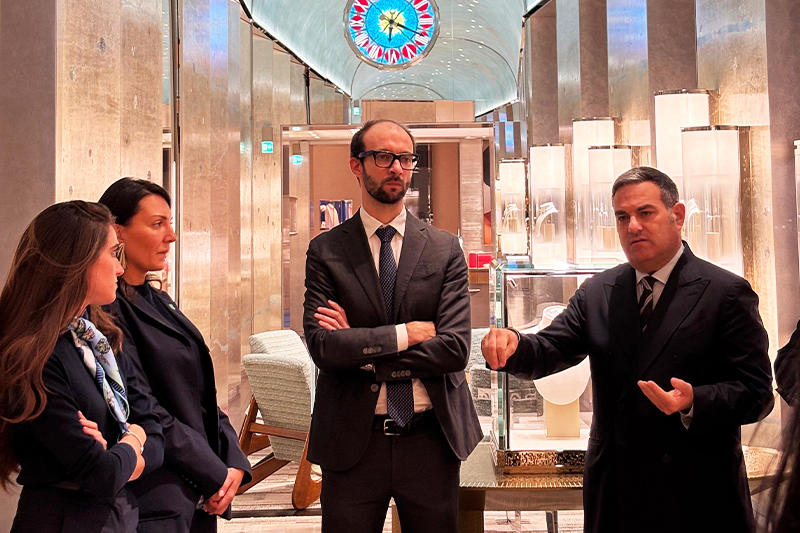
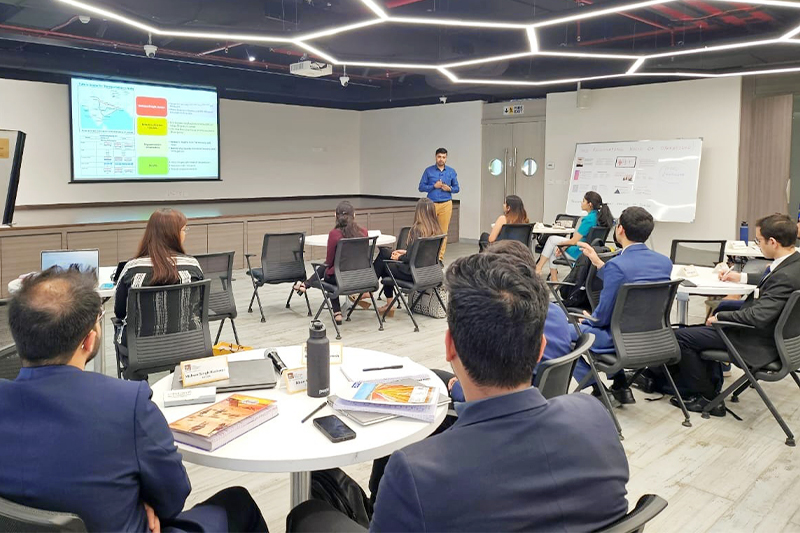
The visit also included interactions with Heads of Departments across operations, culinary, guest relations, and revenue. These conversations were less about presentation and more about how things function, how different teams coordinate and what it takes to maintain consistency at this level.
Then came one of the key parts of the visit – Dining at CELESTE!
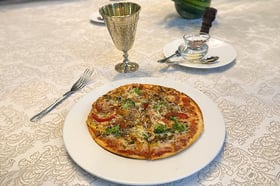
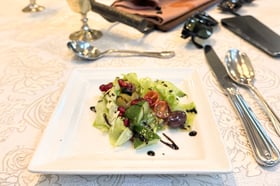
Students saw how service unfolds in a fine dining setting. How timing, movement, and presentation come together while a meal is in progress. It wasn’t explained in theory; it was visible in how the experience was carried out.
At Adaa, the focus shifted to Hyderabadi food. The meal was paired with a short introduction to dining etiquette, with attention to the small details that shape formal dining experiences.
Later in the day, the atmosphere changed again. A Qawwali performance in the open courtyard brought everyone together and added a different rhythm to the evening.
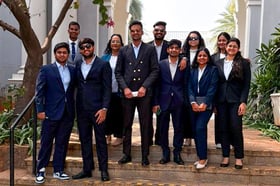
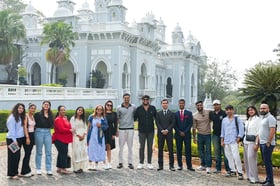
For students from the hospitality industry, this visit offered a closer look at how a heritage property functions beyond what is visible to guests. It helped connect everyday service elements with the coordination and consistency required to maintain them at scale.


.jpg)


